
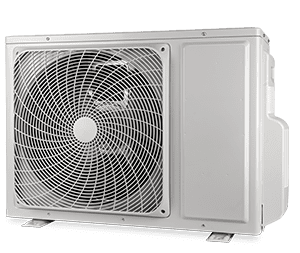

Coastal Corrosion Watch: Autumn Care for Heat Pumps Near Salt Air
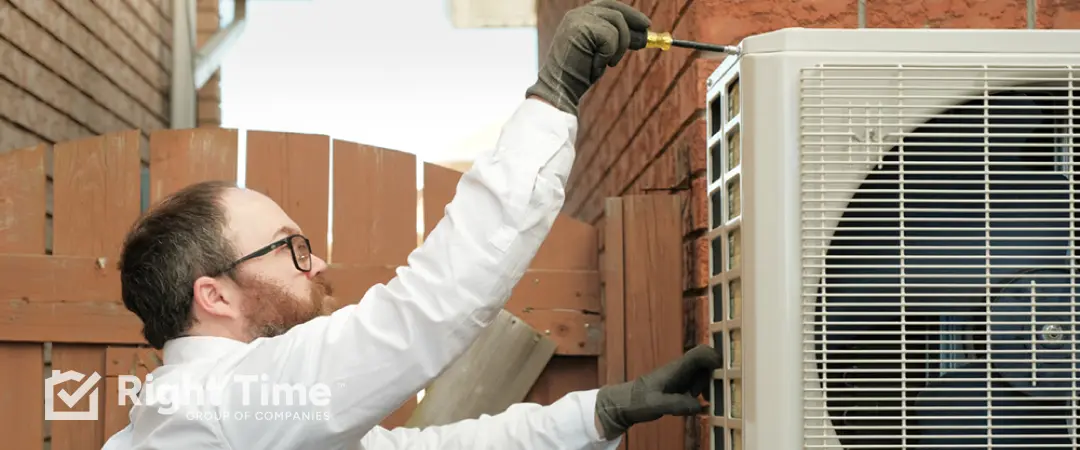
Salt is the slow kind of damage. Coastal Nova Scotia homes get obvious storms, but most corrosion comes from regular onshore winds that leave a thin film on outdoor equipment. When that film sits on a heat pump cabinet, fan guard, mounting hardware, or the line-set cover, it can start to form surface rust sooner than it would in an inland location. If you ignore it, the unit will still work, but access panels can stick, screws can rust, and drainage can get messy in winter. A short autumn routine, plus a Shines maintenance visit, keeps the unit in good shape before the heating season.
Find the Surfaces That Get the Most Salt
Start by looking at the side of the house facing the water or the prevailing wind. Outdoor units on that wall will see more salt and should be cleaned first. Units mounted low to the ground or over paving where water splashes will also see more salt. Line-set covers and terminations on that side can collect salt too, because the wind drives it into small ledges.
Brackets and exposed fasteners are often the first place you will see orange or brown staining. Nova Scotia’s coastal guidance tells homeowners to keep exposed equipment clear and inspected, as storms can rapidly change the amount of salt on a surface. Your outdoor heat pump is no different.
Autumn Cleaning You Can Do Yourself
Pick a dry, calm day. Wipe the cabinet, top grille and line-set cover with a soft cloth and clean water. If you can still see or feel a salty film, use a mild soap solution, then wipe again with clean water. The goal is to remove the salt so it cannot sit there all winter.
Look around the base next. Leaves, sea grass and blown debris can hold moisture right under the unit. Clear them away so air can circulate and the area can dry. Make sure downspouts are not dumping water onto or behind the unit.
One important rule is to avoid using a pressure washer. High pressure can bend the fins and force water into components. If the coil itself appears to need a rinse, let the Shines technician handle it.
When to Bring Shines Energy In
If you see early rust, flaking paint or staining, or if you remember the unit being noisy or slow to defrost last winter, book a fall visit. A Shines technician can safely open the unit, inspect hard-to-reach areas for corrosion, ensure the drain and defrost paths are clear, and confirm the brackets and mounts remain solid after a year of salt exposure.
If they find a spot that keeps rusting, they can talk to you about a protective coating or a small shield in that area. This visit is also a good time to look at indoor safety devices. Many coastal homes still have fireplaces or other fuel-burning equipment. Test CO alarms and follow manufacturer or local code guidance, especially as you start closing windows for winter.
Keep a Coastal Maintenance Rhythm
Salt build-up is ongoing, so maintenance has to be ongoing too. A simple rhythm works well for coastal HRM homes:
In early fall, the homeowner wipes and rinses accessible parts. In the fall, Shines comes out for a Maintenance Plan visit to document the condition and clean or protect any exposed areas. After any major ocean storm, the homeowner does a quick walk-around to make sure salt or debris has not piled up again. The following fall, the Shines technician can compare notes and photos from the previous year and decide if more protection is needed.
Because this is under a Maintenance Plan, the steps stay aligned with what Shines Energy actually offers on its site.